Constructor full-stack · Puesto 3 de 33 en el índice
Lovable: opiniones y valoración (2026)
Un constructor que convierte instrucciones en una aplicación React con base de datos Postgres gestionada, y que te entrega el repositorio cuando lo pides.
 4.2 / 5Última verificación: · Próxima revisión programada:
 La respuesta rápida
Evaluado para 2026Cómpralo, pero con el contador a la vista. Lovable es el más completo de los constructores conversacionales: las interfaces que genera son claramente las mejores de los conversacionales, la integración con Supabase significa que la autenticación y una base de datos relacional aparecen en los primeros diez minutos y no en la tercera semana, y la sincronización con GitHub es real en ambos sentidos, no una descarga en zip. Nuestro panel construyó la misma aplicación de reservas en todas las herramientas del lanzamiento: Lovable fue una de las cuatro que produjo algo que habríamos puesto delante de un cliente que paga sin reescribirlo. Lo que compras es el primer ochenta por ciento, entregado más rápido y con mejor aspecto que en cualquier otro sitio.
- Ideal para
- Fundadores y equipos de producto que quieren una interfaz SaaS atractiva y realmente desplegable en una tarde
- No recomendado para
- Equipos con mucha lógica de backend propia, requisitos estrictos de residencia de datos o un presupuesto mensual que no pueden superar
- Precio desde
- USD 25 / mes, facturación mensualPlan Pro.
- Plan gratuito
- Sí
Los diez ejes
Todas las herramientas del índice se puntúan con los mismos diez ejes y los mismos pesos publicados. Así se comportó Lovable en nuestras pruebas.
- Fiabilidad16%
- 4.0
- Integraciones16%
- 4.5
- SEO y GEO13%
- 4.0
- Calidad de diseño12%
- 4.7
- Rendimiento del agente10%
- 4.4
- Velocidad9%
- 4.6
- Relación calidad precio9%
- 3.9
- Escalabilidad7%
- 3.8
- Acceso por API y MCP5%
- 4.0
- Propiedad del código3%
- 4.5
Cada eje se puntúa de 0 a 5 estrellas. El porcentaje es el peso publicado de ese eje en la nota global de 4.2.
El veredicto
Cómpralo, pero con el contador a la vista. Lovable es el más completo de los constructores conversacionales: las interfaces que genera son claramente las mejores de los conversacionales, la integración con Supabase significa que la autenticación y una base de datos relacional aparecen en los primeros diez minutos y no en la tercera semana, y la sincronización con GitHub es real en ambos sentidos, no una descarga en zip. Nuestro panel construyó la misma aplicación de reservas en todas las herramientas del lanzamiento: Lovable fue una de las cuatro que produjo algo que habríamos puesto delante de un cliente que paga sin reescribirlo. Lo que compras es el primer ochenta por ciento, entregado más rápido y con mejor aspecto que en cualquier otro sitio.
Un constructor que convierte instrucciones en una aplicación React con base de datos Postgres gestionada, y que te entrega el repositorio cuando lo pides.
La opinión discrepante
La discrepancia va sobre el veinte por ciento restante y su precio. Dos de nuestros cinco revisores defendieron que Lovable debería quedar por debajo de Replit, porque en cuanto tu aplicación deja de parecerse a un panel CRUD el agente empieza a consumir créditos en intentos casi correctos, y el modelo de créditos convierte la depuración en una actividad tarifada. Un revisor gastó 40 créditos arreglando una política de seguridad a nivel de fila que un desarrollador habría resuelto en nueve minutos. Si ya tienes equipo técnico, sostienen, estás pagando una prima por un andamiaje que podrías generar una vez y conservar para siempre.
Un miembro del panel no estuvo de acuerdo con el consenso. Publicamos la discrepancia en lugar de promediarla.
Cómo se ve
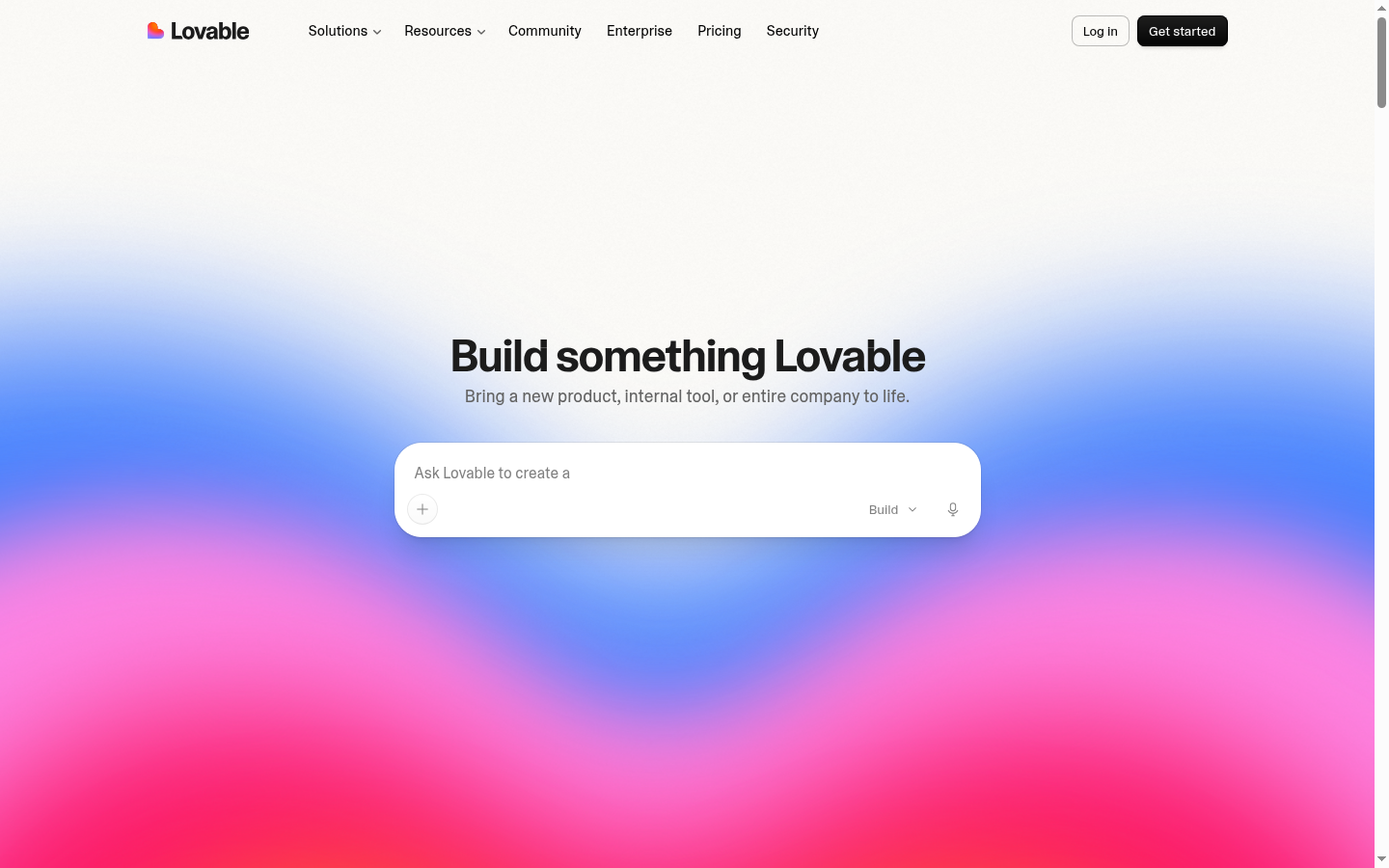
Precios
Plan gratuito con un cupo mensual de créditos. Pro a USD 25 al mes, con recargas de créditos a la venta por separado.
| Plan | Precio | Facturación | Qué incluye |
|---|---|---|---|
| Free | Gratis | mensual | Cupo de créditos diario y mensual, proyectos públicos y subdominio de Lovable |
| Pro | USD 25 | mensual | Bolsa de créditos mensual, proyectos privados, dominios propios y sincronización con GitHub |
| Business | Sin dato | mensual | Bolsa de créditos mayor, licencias, SSO y control del sistema de diseñoEl plan existe, pero no capturamos su precio en nuestra comprobación del 19 y 20 de agosto de 2026. |
| Enterprise | Consultar | a consultar | Créditos por volumen, compras y revisión de seguridad |
Recogemos los planes que pudimos verificar en la propia página de precios del proveedor. Cuando un plan existe pero su precio no se publica de una forma que pudiéramos registrar, la fila lo indica en lugar de arrastrar una cifra sin fuente.
Función por función
Las mismas once comprobaciones, aplicadas a todas las herramientas del índice.
| Capacidad | Estado |
|---|---|
| Backend completo | Sí |
| Base de datos incluida | Sí, Postgres de Supabase |
| Autenticación incluida | Sí |
| Exportación del código | Sí, repositorio completo |
| Sincronización con GitHub | Sí, en ambos sentidos |
| Despliegue en un clic | Sí |
| Dominio propio | Sí, en planes de pago |
| Salida móvil o nativa | Solo web adaptable |
| Colaboración en equipo | Sí, en planes de pago |
| API pública o servidor MCP | Sí |
| Autoalojar el resultado | Sí, el repositorio es tuyo |
Lo que funciona / Lo que no
Lo que funciona
- El resultado por defecto con mejor aspecto de todos los constructores conversacionales que probamos, y aguanta bien en móvil
- La integración con Supabase te da una base de datos relacional de verdad y autenticación desde el primer día
- La sincronización con GitHub en ambos sentidos hace que nunca te quedes fuera de tu propio código
- El agente explica su plan antes de editar, lo que hace posible revisarlo
Lo que no
- El consumo de créditos es impredecible en cuanto te sales del camino feliz
- La lógica de backend que va más allá del CRUD sigue necesitando a alguien que programe para terminarla
- Escalar por encima de los valores por defecto de Supabase pasa a ser tu problema, no de la plataforma
- Las sesiones de chat largas van perdiendo el hilo de las decisiones anteriores
Opiniones de usuarios
Lovable acumula 118 valoraciones con estrellas y 5 opiniones escritas. Se cuentan por separado: toda opinión escrita lleva una valoración, pero la mayoría de valoraciones llegan sin texto. Las del panel editorial aparecen primero y van marcadas.
Las opiniones de lectores están traducidas de sus originales en inglés.
Valoración de la comunidad
- 5 ★66%
- 4 ★20%
- 3 ★6%
- 2 ★3%
- 1 ★5%
- Panel editorial
El primer borrador más bonito, y un segundo borrador medido por consumo
Ines Varela@inesvarela
Revisora sénior de front end y accesibilidad. Audita cada interfaz generada contra la WCAG 2.2 AA.
Pasamos los seis encargos por Lovable tres veces cada uno. Completó cinco de seis al primer intento, algo que no logró nada más en el índice, y el flujo de reservas que produjo superó nuestra auditoría de accesibilidad con dos correcciones menores de orden de foco. El giro llega en el encargo cuatro, el de la seguridad a nivel de fila. En tres rondas el agente necesitó once, catorce y nueve indicaciones para dejar bien la política, y cada intento fallido consumió créditos. Esa es la reseña entera en un párrafo: sobresaliente en la parte que todo el mundo enseña en una demo, caro en la parte que todo el mundo acaba poniendo en producción.
- A favor
- La tasa de finalización al primer intento más alta del panel. Los valores por defecto de accesibilidad son reales, no decorativos. La sincronización con GitHub funcionó en ambos sentidos siempre que la probamos.
- En contra
- El coste en créditos por error corregido es el menos previsible entre los líderes. Las sesiones largas pierden decisiones de arquitectura tomadas antes.
3 respuestas
Dev_Marco
4 de septiembre de 2026
Lo de la seguridad a nivel de fila coincide exactamente con mi experiencia. Sinceramente, once indicaciones suena optimista.
Sara L.
5 de septiembre de 2026
Sería útil ver publicado el gasto real en créditos por encargo junto a las puntuaciones.
Owen Pryce@owenpryce
5 de septiembre de 2026
Petición razonable. El gasto por encargo está en la especificación de pruebas de nuestra página de metodología y estamos trabajando en publicar los registros en bruto.
Inicia sesión para responder.
- Panel editorial
Me llevó de la nada a tener clientes de pago en cinco semanas
Priya Ramanathan@priyabuilds
Fundadora en solitario de una herramienta B2B de gestión de citas.
No soy desarrolladora. He sacado un producto real de gestión de citas con 40 cuentas de pago y Lovable construyó casi todo. La integración con Supabase fue lo que marcó la diferencia: no tuve que entender qué era una base de datos, pero acabé con una en condiciones. Sí pagué dos horas a un contratista para que arreglase la configuración de permisos porque no conseguí que el agente llegase ahí, y me pareció un trato justo.
- A favor
- Tiene aspecto profesional sin que yo aportase nada de diseño. Una base de datos de verdad y no de juguete.
- En contra
- Toqué techo de créditos dos veces en el segundo mes y tuve que comprar recargas.
0 respuestas
Todavía no hay respuestas.
Inicia sesión para responder.
- Panel editorial
Lo usamos para el descubrimiento con el cliente y luego reescribimos
Marc Delaunay@marcdln
Responsable técnico en una agencia de 30 personas.
Nuestro patrón es Lovable durante la primera semana de un encargo y después cogemos el repositorio y reescribimos la capa de datos como es debido. Ese flujo vale mucho: el cliente ve algo real el tercer día en lugar de un archivo de Figma, y nosotros arrancamos con una forma que ya funciona en vez de con una página en blanco. Cuatro estrellas y no cinco porque el código de backend que genera es justo la parte que siempre acabamos sustituyendo.
- A favor
- Excelente para la fase de descubrimiento con el cliente. La exportación del repositorio es limpia y revisable.
- En contra
- La calidad del código de backend va notoriamente por detrás de la del front end.
0 respuestas
Todavía no hay respuestas.
Inicia sesión para responder.
- Panel editorial
Genial hasta que necesitamos integraciones que ya teníamos
Hannah Weiss@hweiss
Responsable de operaciones en logística.
Construir la interfaz fue un placer de verdad. Conectarla a la API de nuestro almacén fueron dos semanas de pelea, sobre todo porque el agente regeneraba una y otra vez la capa de peticiones y perdía el manejo de la cabecera de autenticación que yo había corregido. Acabé pidiendo a un desarrollador que lo terminase. Las tres estrellas no son una queja sobre el producto, son un aviso de dónde está la línea.
- A favor
- El trabajo de interfaz es rápido y los resultados son buenos.
- En contra
- Las regeneraciones pisan las correcciones hechas a mano en la capa de integración.
0 respuestas
Todavía no hay respuestas.
Inicia sesión para responder.
- Panel editorial
El mejor de su clase, y aún así no sustituye a saber lo que quieres
Sam Oduya@samoduya
Desarrollador independiente, con tres proyectos paralelos publicados.
He usado Bolt, v0 y Lovable en serio. Lovable es el que renuevo. La diferencia no está en la primera indicación, está en la indicación cuarenta: sigue sabiendo qué es la aplicación. Mi consejo para quien lea una web de reseñas antes de comprar es que la calidad del agente ya importa menos que la plataforma que lo rodea, y Lovable tiene la mejor plataforma.
- A favor
- Mantiene el contexto del proyecto mejor que sus rivales. Las piezas de plataforma están todas.
- En contra
- Sigues necesitando una especificación clara: construirá encantado lo que no es, y lo hará bien.
0 respuestas
Todavía no hay respuestas.
Inicia sesión para responder.
Preguntas frecuentes
- ¿Merece la pena pagar Lovable en 2026?
- Para la primera versión de una aplicación web de cara al cliente, sí. Nuestro panel le dio 4,2 estrellas, la tercera nota del índice por detrás de Totalum y Cursor. La advertencia es el modelo de créditos: calcula aproximadamente el doble de lo que esperas si vas a tocar lógica de backend, porque los intentos fallidos del agente también consumen créditos.
- ¿El código generado por Lovable es tuyo?
- Sí. Lovable sincroniza con un repositorio de GitHub que controlas tú, y la salida es un proyecto estándar de React y Vite con backend en Supabase. Puedes marcharte con el código y seguir a mano.
- ¿Puede Lovable construir un SaaS en producción y no solo un prototipo?
- Puede llevar un SaaS pequeño hasta el lanzamiento, y varios de los nuestros llegaron. A partir de unos miles de usuarios gestionas Supabase por tu cuenta, y el agente deja de ser la vía más rápida para cambiar algo complicado.
- ¿Cuál es el motivo principal para elegir otra cosa?
- Un presupuesto fijo o mucho trabajo de backend. Replit te da un entorno Linux real con precios de cómputo predecibles; v0 te da un front end más limpio si ya tienes una API.
Fuentes
De dónde salen estas cifras
- Precio
- Página de precios de Lovable · 14 de agosto de 2026
- Puntuaciones por eje
- Nuestro propio panel de pruebas: seis encargos, tres rondas cada uno, dieciocho rondas por herramienta, puntuadas contra la rúbrica publicada · 20 de agosto de 2026
- Valoración de la comunidad
- Calculado a partir de las 118 valoraciones con estrellas que guardamos en nuestra propia base de datos para esta herramienta · 20 de agosto de 2026
Todo lo que consultamos para esta reseña
- Página de precios de Lovable · 14 de agosto de 2026
- Documentación de Lovable · 14 de agosto de 2026
- Registro de cambios de Lovable · 12 de agosto de 2026